Blessed Grandma: An Embroidery Designer's Review
When I first opened the Blessed Grandma design files, I was struck by the warmth the name alone suggests. As someone who has spent years stitching out digital embroidery files and testing them across dozens of garments and home goods, I have learned that a design's real value reveals itself only after it has been hooped, stabilized, and run through a machine. This review comes from that hands-on place. I have tested Blessed Grandma on fabric, thought through how it fits into a craft business, and considered how it lands with customers who buy handmade products or personalized gifts. If you are an Etsy seller, a small shop owner, or someone who creates custom apparel and boutique merchandise, this practical evaluation will help you decide whether Blessed Grandma belongs in your project queue.
First Impressions of the Blessed Grandma Design
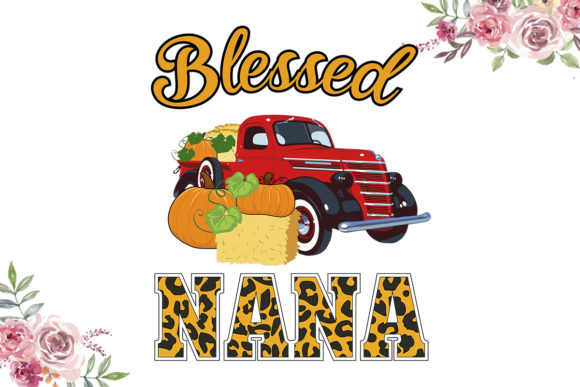
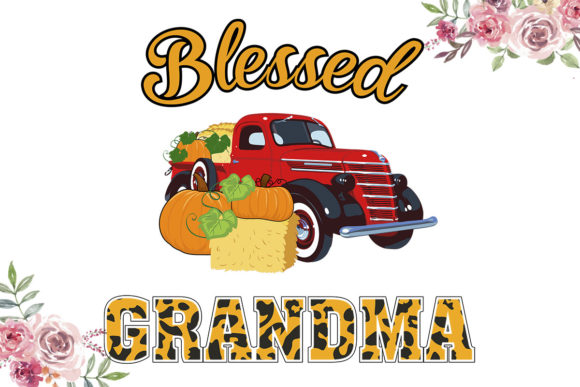
The overall mood of Blessed Grandma is heartfelt without being cloying. It carries a sense of family, gratitude, and gentle nostalgia. The layout feels balanced and approachable, with enough visual weight to stand alone on a garment or product but not so much complexity that it becomes fussy. The theme clearly points toward grandmothers, blessings, and family connections, which makes it a natural fit for personalized gifts, custom apparel, and keepsakes. I immediately thought of tote bags for Mother's Day, sweatshirts for Christmas gifts, and baby embroidery projects that celebrate a new grandmother's role. The design does not scream for attention. Instead, it invites a second look, which is exactly the kind of quality that builds customer trust and repeat sales for a craft business.
Because Blessed Grandma is offered as a set of digital embroidery file formats including PNG, SVG, EPS, DXF, and PDF, it also works for more than just embroidery. The description notes it can be used as a vinyl sticker or transfer iron for t-shirts, bags, and pillowcases. That versatility is valuable for a small shop product line. You can stitch it, press it, or cut it, which means the same design can appear across multiple product types in your shop. For someone selling printable mockups or design assets, this cross-format flexibility saves time and keeps branding consistent. Just be sure your cutting machine or computer is compatible with the files before you commit to a large production run.
Real-Use Scenario: A Custom Tote Bag Project
To evaluate Blessed Grandma properly, I prepared a custom embroidered tote bag. I chose a medium-weight cotton canvas in a natural cream color. The fabric had a stable weave, which is forgiving for most embroidery projects. I hooped it with a medium-weight cutaway stabilizer to ensure the stitches would stay crisp even after regular use. I wanted to see how the design would behave as a functional item that a customer might carry to a farmer's market or use as a gift bag for a baby shower.
After running the design, the stitch-out looked clean and the shapes remained distinct. The overall size felt appropriate for the center of a tote bag, neither too small to read from a distance nor too large to overwhelm the bag's dimensions. I could see this same design working beautifully on a sweatshirt embroidery project, a pillow cover, or a kitchen towel set. For a holiday embroidery gift, the design would pair nicely with a coordinating thread color like a soft rose or a warm gold. If you are an Etsy seller looking for a design that works across handmade product categories, Blessed Grandma has the versatility to support that strategy.
Applique and Satin Stitch Potential
While I did not test an applique version, the design's shapes suggest it could be adapted for applique design work with some manual editing. The satin stitch elements that appear in the lettering and any outline details are thick enough to hold their shape on textured fabrics like fleece or terry cloth. The fill stitch areas, if present, are moderate in density, which is good for maintaining softness in a garment. I recommend testing a small stitch-out on scrap fabric first, especially if you plan to use it on a cap or curved surface. The design should handle a sweatshirt embroidery project or a baby embroidery blanket well, but the stabilizer choice matters. For stretchy fabrics, use a tear-away or cutaway stabilizer with a topper to prevent the stitches from sinking.
Working with the Digital Files
The file package includes multiple formats, which is a strong point for anyone selling commercial embroidery products or digital embroidery files as part of a print templates or graphics collection. The PNG version works for mockups and previews. The SVG and EPS are helpful if you want to resize or modify the design in vector software. The DXF is useful for cutting machines if you plan to create a vinyl sticker version. The PDF is a good reference for thread color placement and sizing. However, the product description does not specify exact stitch count, hoop size, or machine compatibility. I strongly advise you to open the files in your embroidery software and verify these details before stitching. Run a test on a scrap piece of fabric, especially if you are selling finished products to customers. A small investment in testing can save you from a failed project at an inopportune moment.
Where Blessed Grandma Needs Careful Placement
No design is perfect for every surface, and Blessed Grandma has a few considerations worth noting. The design contains some areas of detail that might not translate well in very small hoop sizes. If you try to scale it down for a tiny hat or a baby onesie, the individual elements could become muddled. I would recommend keeping the design at a size where the lettering and any decorative shapes remain readable. For curved surfaces like caps, the design should be placed on the front panel rather than the curved side to avoid distortion. On dark fabric, you will need to check thread color contrast carefully. A dark blue or black fabric might require a white or light underlay to keep the design visible and sharp.
For products that see frequent washing, such as tea towels, kitchen towels, or baby bibs, use a high-quality stabilizer and a tight running stitch or satin stitch finish to prevent fraying. The stitch density should be reviewed, especially if you plan to sew the design onto a lightweight or delicate fabric. If the density is too high, the fabric may pucker. If it is too low, the design may not hold its shape. Test on a sample of your final fabric before committing to a batch of products. For craft fair products or boutique branding, a well-placed Blessed Grandma can elevate a simple tote or apron into a gift-worthy item, but only if the execution is clean.
Visual Appeal and Customer Perception
Blessed Grandma has a visual personality that feels both personal and professional. It does not rely on overused clip art or generic fonts. The design conveys a specific sentiment that resonates with customers looking for personalized gifts for grandmothers, new mothers, or family members. In my experience, designs with emotional resonance sell better because they help the customer tell a story. When a buyer sees Blessed Grandma on a handmade product like a pillow cover or a customized sweatshirt, they are more likely to imagine giving it to someone they love. That emotional connection translates into higher perceived value and a stronger willingness to pay a premium price.
For an Etsy seller or a small shop product line, using this design consistently across different items builds brand consistency. A customer might buy a tote bag for themselves and later return for a matching apron or tea towel as a gift. The design's adaptability supports a cohesive product line without feeling repetitive. If you create printable mockups for your listings, the PNG file makes it easy to show the design on multiple product shapes, which can improve buyer engagement and click-through rates.
Practical Embroidery Designer Notes Before You Stitch
- Test on scrap fabric first. Always run a test stitch-out on a fabric that matches your final product. Adjust tension, stabilizer, and hoop size as needed.
- Check thread color contrast. View the design in black and white to see if the details still read clearly. If not, choose a thread color with a higher contrast against the fabric.
- Review stitch density. Open the file in your software and inspect the density of fill areas. If the design is too dense for your fabric, consider reducing the density or using a lighter stabilizer.
- Verify hoop size. The product description does not specify hoop dimensions. Measure the design in your software and confirm it fits your hoop before loading the fabric.
- Inspect small details. If you plan to scale the design down, check that tiny elements, especially any lettering, remain legible. If not, keep the design at a larger size.
- Use proper stabilizer. For stretchy or knit fabrics, use a cutaway stabilizer. For stable wovens, a tear-away may suffice. For caps or curved surfaces, use a firm stabilizer and a cap frame if available.
- Confirm licensing. Before selling finished items or digital products with Blessed Grandma, review the license that came with your purchase. Some files allow commercial embroidery use, while others restrict selling the digital file itself. Clarify this before listing your products.
- Test on light and dark backgrounds. If you plan to offer multiple colorways, stitch the design on both a light and a dark fabric to see how it performs. Adjust thread choices accordingly.
Final Thoughts for Designers and Sellers
Blessed Grandma is a design that works hard for its place in your library. It spans machine embroidery design, digital cutting, and heat transfer applications. It can appear on a child's onesie, a grandmother's tote bag, or a boutique apron at a craft fair. The emotional hook is genuine, and the visual style is clean enough to feel professional without losing its handmade warmth. As with any embroidery project, the final result depends on your preparation and material choices. But the design itself gives you a strong foundation. If you are an Etsy seller, a creative entrepreneur, or a hobbyist looking to expand your product line, Blessed Grandma is worth testing. Run a sample, check your hoop size, and see how it stitches out. When the design holds up well on fabric, you will know it is ready for your customers.