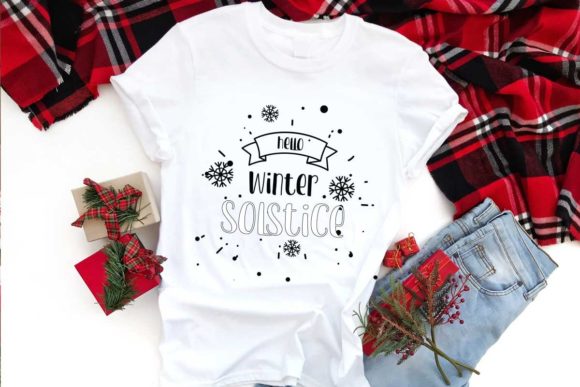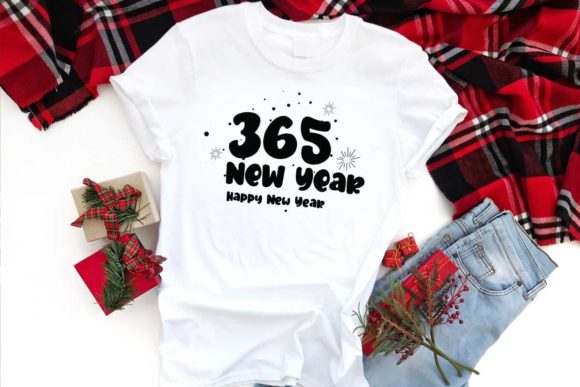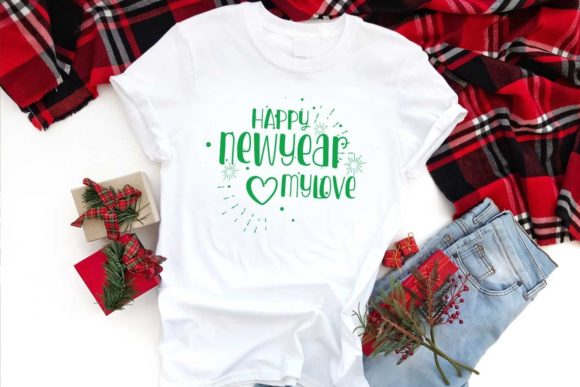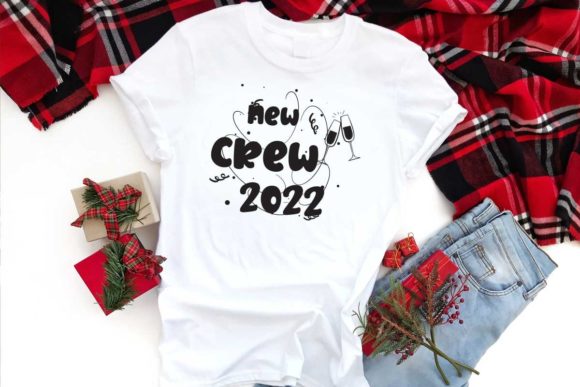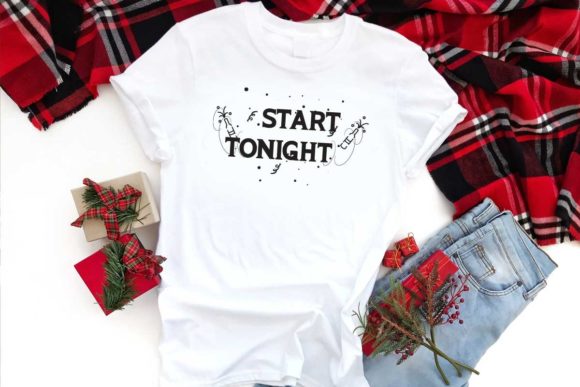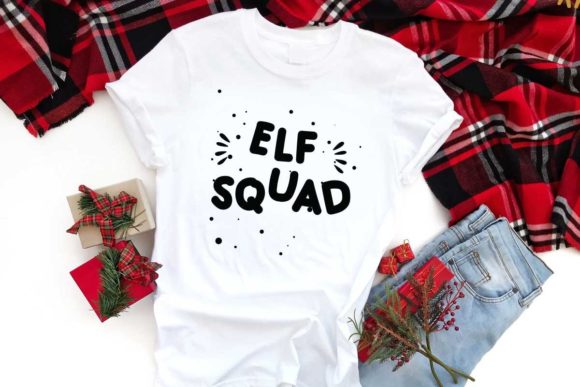
Elf Graphic: A Playful Graphics Asset for T-Shirt Designs
When I first opened the Elf Graphic design asset, I immediately recognized its potential for editorial work that needs a touch of whimsy without sacrificing professionalism. As someone who has built and designed content websites for over a decade, I have learned that the difference between a blog that looks amateur and one that feels polished often comes down to the graphic design assets you choose. This particular file set delivers a charming, handcrafted aesthetic that can elevate everything from a simple Pinterest pin to a full digital guide. The mood it creates is playful yet refined, making it suitable for lifestyle blogs, seasonal content, creative entrepreneur sites, and even small business branding projects. It does not feel overly corporate or sterile, which is a breath of fresh air for publishers who want their visual identity to feel approachable and human.
First Impressions and Editorial Mood
Right away, the Elf Graphic establishes a lighthearted, storybook-like atmosphere. The linework and overall composition suggest a hand-drawn quality that works beautifully for content niches focused on holiday themes, fantasy, children's activities, craft tutorials, or even cozy lifestyle topics. For a blog designer, this kind of asset is valuable because it immediately communicates warmth and creativity. When a reader lands on a page featuring this graphic, they are likely to perceive the content as friendly, imaginative, and carefully curated. That perception directly affects reader trust and engagement. If you run an affiliate site promoting creative products or a content website offering printable resources, this design asset can help you build a consistent brand identity that feels both professional and inviting.
How Elf Graphic Fits Into a Real Publishing Workflow
Let me walk you through a realistic content publishing scenario. Imagine you are a blogger preparing a series of posts about holiday crafting or DIY gift ideas. You need featured images that stand out in search results, Pinterest pins that drive traffic, article headers that break up text, and maybe a downloadable checklist or guide for your readers. The Elf Graphic can serve as a versatile visual anchor across all these formats. Because the file comes in PNG, SVG, EPS, DXF, and PDF formats, you have the flexibility to use it in digital design tools like Canva, Photoshop, or Illustrator, as well as for physical products like vinyl stickers, iron-on transfers for t-shirts, bags, or pillowcases. This cross-format compatibility is a huge time-saver for publishers who wear many hats.
For my own workflow, I often test a new graphic design asset by creating a mock blog layout. I place the Elf Graphic as a hero image, then layer a headline over it to check contrast and readability. I also export a square version for Pinterest and a wide version for social media graphics. The asset scales well, which is critical for maintaining visual hierarchy across different screen sizes. On desktop, it appears crisp and detailed. On mobile, it remains recognizable and does not turn into visual noise. That is a sign of a well-constructed digital product.
Supporting Content Performance and Reader Trust
Visual communication is not just about decoration. It is about guiding the reader's eye and reinforcing your message. When I use the Elf Graphic in a blog post, I notice that it helps establish a clearer visual hierarchy. The graphic draws attention without overwhelming the text, which is a balance many design assets fail to achieve. For content marketers and affiliate marketers, this means a stronger first impression, better click-through potential on social media, and more consistent branding across your entire content ecosystem. A polished visual identity also builds reader trust. When visitors see that you invest in professional-looking graphics, they are more likely to perceive your content as authoritative and worth their time.
I have used this asset in newsletter banners and lead magnets, and it consistently performs well. Subscribers respond to the friendly, approachable style. It also works well as a category thumbnail for a series of posts, giving your archive a cohesive look. For small business owners who create their own content, this kind of design asset can replace the need for expensive custom illustration, freeing up budget for other priorities.
Where the Design Asset Works Best
Through my testing, I have found that the Elf Graphic excels in several specific publishing contexts. It is ideal for hero images on blog posts about holiday traditions, creative projects, or family activities. It makes a strong Pinterest pin because the playful style catches the eye in a crowded feed. Article thumbnails and category visuals benefit from its distinctive look, helping readers quickly identify the type of content they are about to explore. It also works well in downloadable resources like digital guides, worksheets, and eBook covers, where a touch of personality can make the difference between a resource that feels generic and one that feels special.
For newsletter headers and social media graphics, the asset provides a consistent visual anchor that reinforces your brand identity. If you create Canva templates for your audience, this graphic can be a key element that defines the template's style. In editorial layouts, it serves as a charming accent that breaks up text and adds visual interest without distracting from the core message.
Where to Use It Carefully
No design asset is perfect for every situation, and the Elf Graphic is no exception. I recommend using it thoughtfully in a few specific contexts. On small mobile thumbnails, the details may become less distinct, so test it at various sizes before committing. In text-heavy blog images where the graphic competes with dense copy, the overall composition can feel busy. For serious professional niches like corporate finance, legal advice, or technical documentation, this playful style may feel out of place. Similarly, if your website relies on a very minimal visual system, adding a highly decorative element like this might disrupt the clean aesthetic you have worked to establish. In those cases, reserve the graphic for accent uses rather than primary imagery.
Low-contrast backgrounds can also diminish the impact of the asset. Make sure you place it against a background that allows the lines and shapes to pop. Testing it in black and white is a good way to check whether the contrast holds up without color support.
Practical Publisher Notes for Testing and Implementation
Before you use the Elf Graphic on a monetized website, affiliate page, or paid content product, confirm the commercial license terms. Not all design assets from creative marketplaces include broad commercial use rights, so read the fine print carefully. Once you have the green light, run a few tests. Preview the asset inside a real blog layout, not just on a blank canvas. See how it looks with headline text in different font styles: serif, sans serif, script, handwritten, and display. Some graphics clash with certain typefaces, but I found this one pairs well with both serif and handwritten fonts, which gives you flexibility in your editorial design.
Check the file size of the PNG version to ensure it does not slow down your page load times. Compress images properly before uploading, and consider using SVG for scalable vector graphics where appropriate. Test the asset on desktop and mobile screens to confirm that the visual hierarchy remains intact. If you plan to use it for a physical product like a vinyl sticker or iron-on transfer, make sure your cutting machine settings align with the DXF or SVG file specifications. The file set includes the formats you need for both digital and physical production, which is a practical advantage for creative entrepreneurs who sell printable designs or custom merchandise.
I also recommend creating a small brand style guide that documents how you use this graphic across your content. Consistency is key to building a recognizable brand identity. When readers see the same visual elements repeated across your blog, social media, and email newsletters, they begin to associate that style with your content. Over time, that association translates into trust and loyalty.
Final Thoughts on Elf Graphic for Content Publishing
From a blog designer's perspective, the Elf Graphic is a versatile and well-crafted design asset that supports a wide range of content publishing needs. It brings a playful, hand-drawn quality to blog graphics, social media visuals, digital products, and even physical merchandise. For publishers, content marketers, and small business owners, it offers a cost-effective way to enhance visual communication, strengthen brand identity, and create a more engaging reader experience. Whether you are designing a Pinterest pin, a newsletter header, a downloadable guide, or a featured image for a seasonal post, this asset delivers editorial quality that helps your content look polished and clickable. Just remember to test it in your specific layout, check contrast and readability, and confirm your licensing rights. With those steps in place, the Elf Graphic can become a reliable part of your creative toolkit.